

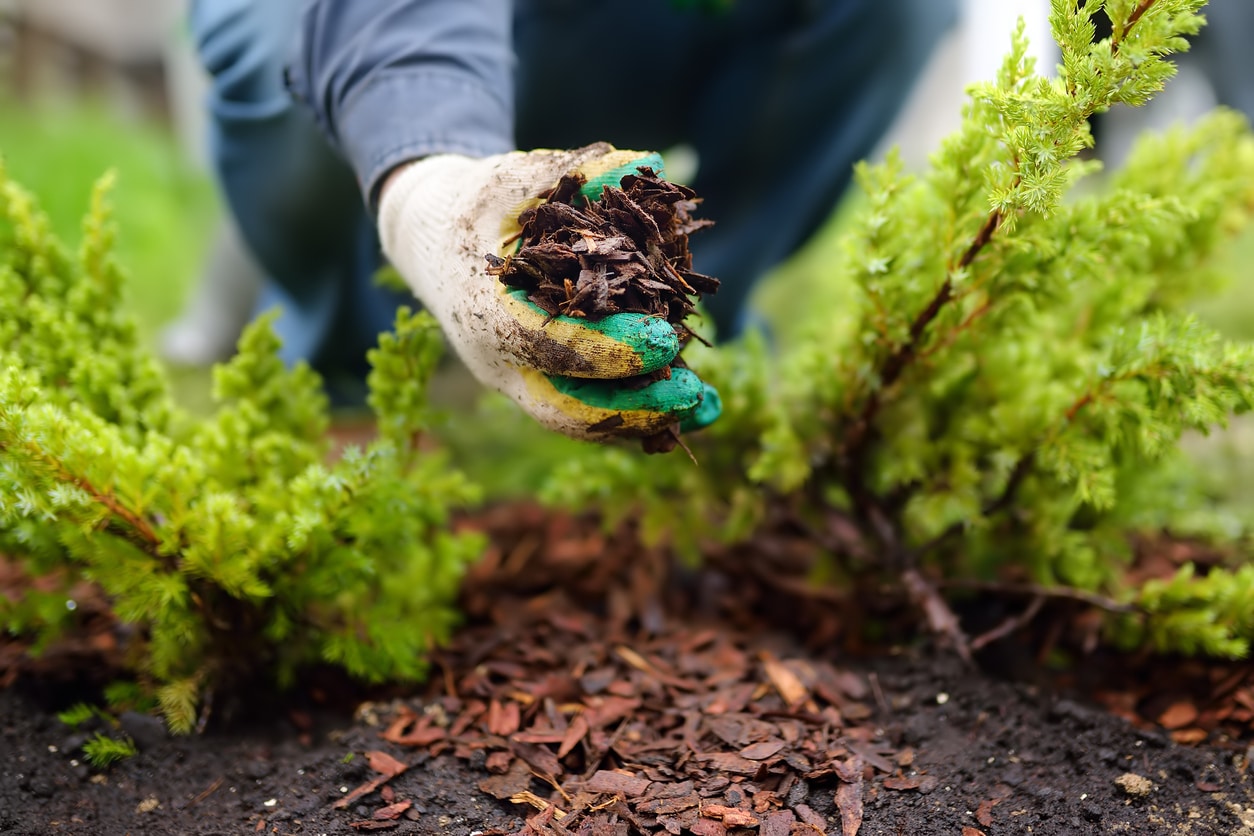
Mulch is one of the simplest and most effective ways to improve the appearance and health of a landscape. While many homeowners think of mulch primarily as a decorative feature, it actually serves several important purposes that help protect plants, improve soil conditions, and reduce ongoing landscape maintenance.
Throughout the Lehigh Valley, mulch is commonly used around trees, shrubs, flower beds, and landscape plantings to create a cleaner appearance while supporting long-term plant health. When properly installed and maintained, mulch can provide benefits throughout every season of the year.
Throughout the Lehigh Valley, mulch is commonly used around trees, shrubs, flower beds, and landscape plantings to create a cleaner appearance while supporting long-term plant health. When properly installed and maintained, mulch can provide benefits throughout every season of the year.
TL;DR: Why Is Mulch Important?
- Mulch helps retain moisture in the soil.
- It helps suppress weed growth.
- Mulch protects plant roots from temperature fluctuations.
- It improves the appearance of landscape beds.
- Organic mulch can improve soil quality as it breaks down.
- Regular mulch installation helps maintain a healthier landscape.
How Does Mulch Help Plants Stay Healthy?
One of the biggest benefits of mulch is its ability to help regulate soil moisture. During Pennsylvania’s warmer months, exposed soil can dry out quickly from heat and sunlight. Mulch acts as a protective layer that slows moisture evaporation and helps the soil retain water longer.
This added moisture retention can help reduce plant stress during periods of hot weather while supporting healthier root development throughout the growing season.
Mulch also helps create a more stable growing environment around trees, shrubs, and flowers by reducing sudden changes in soil temperature.
This added moisture retention can help reduce plant stress during periods of hot weather while supporting healthier root development throughout the growing season.
Mulch also helps create a more stable growing environment around trees, shrubs, and flowers by reducing sudden changes in soil temperature.
Why Does Mulch Help Control Weeds?
Weeds compete with desirable plants for water, nutrients, and sunlight. When left unmanaged, weeds can quickly spread throughout landscape beds and affect the appearance of the property.
A properly installed layer of mulch helps block sunlight from reaching weed seeds, making it more difficult for weeds to germinate and grow. While mulch does not eliminate weeds entirely, it can significantly reduce weed pressure and make landscape maintenance much easier.
For homeowners looking to spend less time pulling weeds throughout the season, mulch is often one of the most effective preventative maintenance tools available.
A properly installed layer of mulch helps block sunlight from reaching weed seeds, making it more difficult for weeds to germinate and grow. While mulch does not eliminate weeds entirely, it can significantly reduce weed pressure and make landscape maintenance much easier.
For homeowners looking to spend less time pulling weeds throughout the season, mulch is often one of the most effective preventative maintenance tools available.
How Does Mulch Protect Plant Roots?
Plant roots are constantly exposed to changing weather conditions throughout the year. Summer heat, winter cold, and sudden temperature fluctuations can all place stress on landscape plants.
Mulch acts as an insulating layer that helps protect root systems from extreme temperature swings. During summer, mulch helps keep soil cooler. During winter, it helps reduce rapid freezing and thawing that can stress plant roots.
This additional protection can be especially beneficial for newly planted trees, shrubs, and seasonal plantings.
Mulch acts as an insulating layer that helps protect root systems from extreme temperature swings. During summer, mulch helps keep soil cooler. During winter, it helps reduce rapid freezing and thawing that can stress plant roots.
This additional protection can be especially beneficial for newly planted trees, shrubs, and seasonal plantings.
Can Mulch Improve Soil Quality?
Yes. Many organic mulch materials gradually break down over time and contribute nutrients back into the soil.
As mulch decomposes, it can help improve soil structure, support beneficial microorganisms, and enhance overall growing conditions. Healthier soil often leads to stronger root systems and healthier plants.
Because mulch naturally decomposes, many landscape beds benefit from periodic mulch refreshing to maintain both appearance and performance.
As mulch decomposes, it can help improve soil structure, support beneficial microorganisms, and enhance overall growing conditions. Healthier soil often leads to stronger root systems and healthier plants.
Because mulch naturally decomposes, many landscape beds benefit from periodic mulch refreshing to maintain both appearance and performance.
Does Mulch Improve Curb Appeal?
Absolutely. Fresh mulch is one of the fastest ways to improve the overall appearance of a property.
Mulch creates a clean, finished look around landscape beds while helping define planting areas and create visual contrast between plants and surrounding lawn areas. Freshly mulched beds often make landscapes appear more organized, well-maintained, and inviting.
For homeowners looking to improve curb appeal, mulch installation is often one of the most cost-effective landscape improvements available.
Mulch creates a clean, finished look around landscape beds while helping define planting areas and create visual contrast between plants and surrounding lawn areas. Freshly mulched beds often make landscapes appear more organized, well-maintained, and inviting.
For homeowners looking to improve curb appeal, mulch installation is often one of the most cost-effective landscape improvements available.
How Often Should Mulch Be Replaced?
The lifespan of mulch depends on the material used, weather exposure, drainage conditions, and overall landscape maintenance.
In many cases, homeowners choose to refresh mulch annually to maintain its appearance and ensure proper coverage throughout landscape beds. Over time, mulch naturally settles and decomposes, reducing its effectiveness for moisture retention and weed suppression.
Regular inspections help determine when mulch should be replenished to maintain optimal performance.
In many cases, homeowners choose to refresh mulch annually to maintain its appearance and ensure proper coverage throughout landscape beds. Over time, mulch naturally settles and decomposes, reducing its effectiveness for moisture retention and weed suppression.
Regular inspections help determine when mulch should be replenished to maintain optimal performance.
Why Is Professional Mulch Installation Worth Considering?
While mulch installation may seem straightforward, proper installation techniques help maximize the benefits. Applying too little mulch may reduce effectiveness, while excessive mulch can potentially create problems around plant roots and tree trunks.
Professional landscape teams understand proper mulch depth, material selection, bed preparation, and installation practices that help support both appearance and plant health.
At Sticks & Stones Lawn Care, we help homeowners throughout the Lehigh Valley maintain attractive and healthy landscapes through professional mulch installation, lawn care, landscape maintenance, seasonal cleanups, and tree care services. Whether you are refreshing existing landscape beds or improving curb appeal for the season, our team can help create a cleaner and healthier outdoor environment.
At Sticks & Stones Lawn Care, we help homeowners throughout the Lehigh Valley maintain attractive and healthy landscapes through professional mulch installation, lawn care, landscape maintenance, seasonal cleanups, and tree care services. Whether you are refreshing existing landscape beds or improving curb appeal for the season, our team can help create a cleaner and healthier outdoor environment.
FAQs
How often should mulch be replaced?
Most landscape beds benefit from mulch refreshing annually or as needed to maintain appearance and effectiveness. Over time, mulch naturally decomposes and breaks down, helping improve soil quality. Refreshing mulch helps regulate soil temperatures, retain moisture, suppress weeds, and enhance curb appeal. The ideal schedule may vary depending on weather conditions and the type of mulch used.
What type of mulch is best for landscaping?
The best mulch depends on the property's goals, appearance preferences, and planting conditions. Hardwood mulch is a popular choice because it provides an attractive appearance while helping retain moisture and suppress weeds. Other mulch options may be suitable depending on the landscape design and maintenance objectives. Sticks & Stones Lawn Care can recommend the best mulch option based on your landscape and maintenance goals.
Does mulch help reduce watering?
Yes. Mulch helps retain moisture by slowing evaporation from the soil surface. This allows the soil to stay moist longer and may reduce how frequently landscape beds need to be watered during hot weather.
Can mulch prevent weeds?
Mulch can significantly reduce weed growth by limiting sunlight exposure to weed seeds and creating a protective barrier over the soil. While some weeds may still appear, properly installed mulch often reduces weed problems substantially.
Is too much mulch bad for plants?
Yes. Excessive mulch can trap moisture against plant stems and tree trunks, potentially contributing to disease, rot, and root problems. Proper mulch depth is important for achieving the best results.
Does mulch increase property value?
While mulch alone does not directly increase property value, attractive and well-maintained landscaping often improves curb appeal and overall property presentation. Fresh mulch can help create a cleaner, more polished appearance that enhances the property's visual appeal.
