

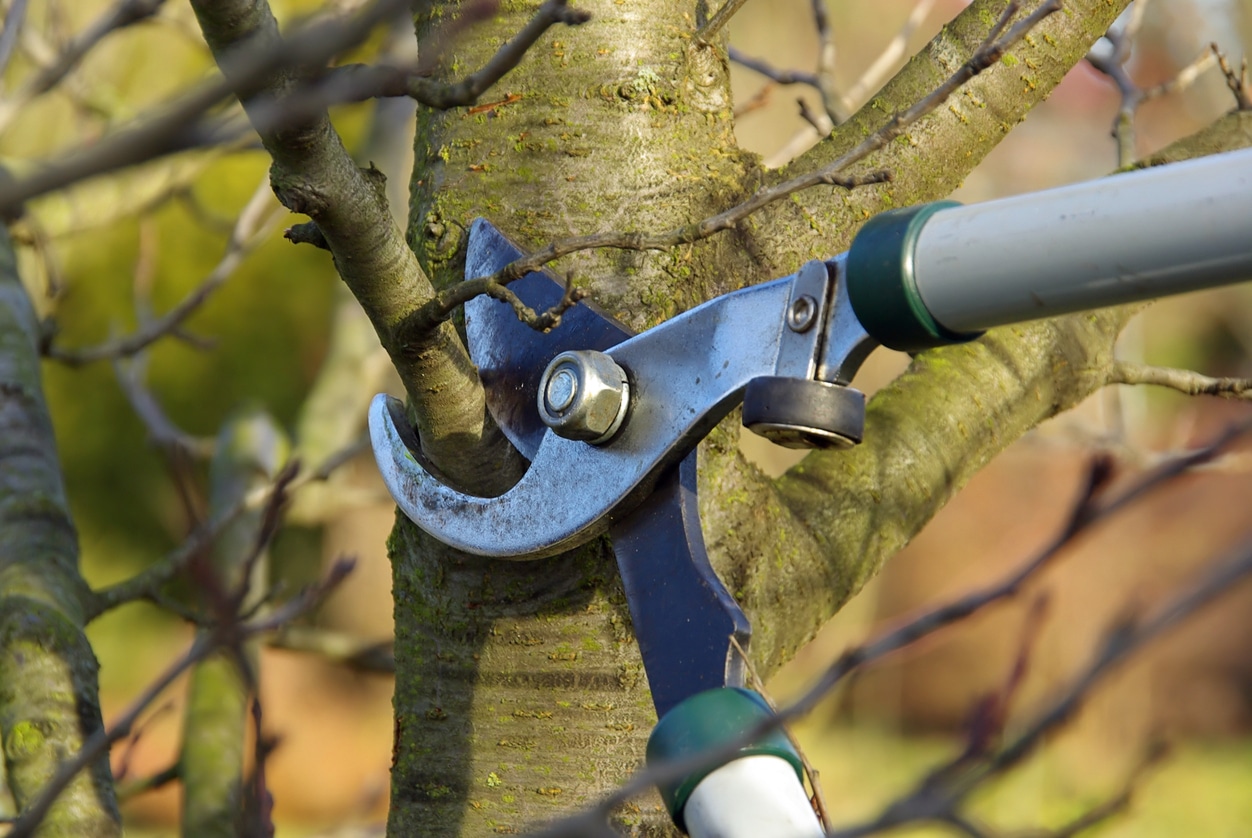
Trees are one of the most valuable features in any landscape. They provide shade, improve curb appeal, support property value, and contribute to the overall beauty of a home. However, like any living part of a landscape, trees require ongoing care to remain healthy, attractive, and safe.
One of the most important aspects of tree care is regular pruning. While many homeowners think pruning is simply about appearance, proper pruning plays a major role in maintaining tree health, reducing safety risks, and encouraging long-term growth.
Throughout the Lehigh Valley, routine tree pruning helps homeowners protect their investment while promoting healthier and more attractive landscapes.
One of the most important aspects of tree care is regular pruning. While many homeowners think pruning is simply about appearance, proper pruning plays a major role in maintaining tree health, reducing safety risks, and encouraging long-term growth.
Throughout the Lehigh Valley, routine tree pruning helps homeowners protect their investment while promoting healthier and more attractive landscapes.
TL;DR: Why Is Tree Pruning Important?
- Pruning helps remove dead, damaged, and hazardous branches.
- Proper pruning supports healthy growth and tree structure.
- It can help reduce storm-related risks.
- Pruning improves sunlight penetration and airflow.
- Well-maintained trees often enhance curb appeal and property value.
- Routine pruning helps identify potential tree health concerns early.
How Does Tree Pruning Improve Tree Health?
Trees naturally develop dead, damaged, diseased, or weakened branches over time. If these branches are left in place, they can continue to decline and potentially affect the overall health of the tree.
Pruning helps remove unhealthy growth and allows the tree to focus its energy on stronger, healthier branches. It can also improve airflow throughout the canopy and increase sunlight penetration, creating better growing conditions for the tree and surrounding landscape.
Regular pruning helps trees maintain a stronger structure while encouraging healthy development throughout the growing season.
Pruning helps remove unhealthy growth and allows the tree to focus its energy on stronger, healthier branches. It can also improve airflow throughout the canopy and increase sunlight penetration, creating better growing conditions for the tree and surrounding landscape.
Regular pruning helps trees maintain a stronger structure while encouraging healthy development throughout the growing season.
Why Is Tree Pruning Important for Safety?
Safety is one of the most common reasons homeowners schedule tree pruning services. Dead or weakened branches can become hazardous, especially during storms, high winds, heavy rain, or winter weather.
Branches hanging over homes, driveways, sidewalks, vehicles, or outdoor living spaces may eventually become a safety concern if they are not properly maintained.
Routine pruning helps reduce the likelihood of falling limbs while improving overall tree stability and reducing potential property damage risks.
Branches hanging over homes, driveways, sidewalks, vehicles, or outdoor living spaces may eventually become a safety concern if they are not properly maintained.
Routine pruning helps reduce the likelihood of falling limbs while improving overall tree stability and reducing potential property damage risks.
Can Pruning Help Trees Grow Better?
Yes. Proper pruning encourages healthy growth by removing competing, overcrowded, or poorly positioned branches.
When branches become too dense, they may compete for sunlight and nutrients. Strategic pruning helps create a more balanced canopy and supports healthier growth patterns throughout the tree.
Young trees especially benefit from proper pruning because it helps establish stronger branch structure and healthier long-term development.
When branches become too dense, they may compete for sunlight and nutrients. Strategic pruning helps create a more balanced canopy and supports healthier growth patterns throughout the tree.
Young trees especially benefit from proper pruning because it helps establish stronger branch structure and healthier long-term development.
How Does Tree Pruning Improve Appearance?
Overgrown trees can make an otherwise well-maintained property appear neglected. Pruning helps maintain a cleaner, more attractive appearance while improving the overall shape and structure of the tree. Professionally pruned trees often enhance:
- Curb appeal
- Landscape appearance
- Visibility
- Outdoor living spaces
- Property presentation
- Maintaining attractive trees helps create a more polished and inviting landscape throughout the year.
Can Tree Pruning Help Prevent Storm Damage?
While no tree is completely storm-proof, regular pruning can help reduce certain storm-related risks.
Removing weak, damaged, or poorly attached branches helps decrease the likelihood of branch failure during severe weather. Proper pruning can also reduce excessive canopy weight and improve wind flow through the tree, helping reduce stress during storms.
This preventative approach is especially valuable for larger mature trees located near homes, garages, fences, driveways, and other structures.
Removing weak, damaged, or poorly attached branches helps decrease the likelihood of branch failure during severe weather. Proper pruning can also reduce excessive canopy weight and improve wind flow through the tree, helping reduce stress during storms.
This preventative approach is especially valuable for larger mature trees located near homes, garages, fences, driveways, and other structures.
How Often Should Trees Be Pruned?
The ideal pruning schedule depends on the tree species, age, growth rate, location, and overall condition.
Some trees benefit from more frequent maintenance, while others may only require periodic pruning every few years. Young trees often require structural pruning to support healthy growth, while mature trees are commonly pruned to maintain health, safety, and appearance.
Regular inspections help determine when pruning may be beneficial and allow potential issues to be identified before they become larger problems.
Some trees benefit from more frequent maintenance, while others may only require periodic pruning every few years. Young trees often require structural pruning to support healthy growth, while mature trees are commonly pruned to maintain health, safety, and appearance.
Regular inspections help determine when pruning may be beneficial and allow potential issues to be identified before they become larger problems.
Why Is Professional Tree Pruning Important?
Proper pruning requires knowledge of tree biology, growth patterns, pruning techniques, and long-term tree health. Incorrect pruning can sometimes weaken trees, create unnecessary stress, or increase the risk of disease and structural problems.
Professional tree care specialists understand how to safely remove branches while maintaining the health and integrity of the tree. They can also identify signs of disease, decay, pest activity, or structural concerns that homeowners may not notice.
At Sticks & Stones Lawn Care, we provide professional tree pruning, landscape maintenance, lawn care, seasonal cleanups, and property maintenance services throughout the Lehigh Valley. Whether you are looking to improve tree health, reduce safety risks, or enhance the appearance of your landscape, our team can help keep your trees healthy and well-maintained year-round.
Professional tree care specialists understand how to safely remove branches while maintaining the health and integrity of the tree. They can also identify signs of disease, decay, pest activity, or structural concerns that homeowners may not notice.
At Sticks & Stones Lawn Care, we provide professional tree pruning, landscape maintenance, lawn care, seasonal cleanups, and property maintenance services throughout the Lehigh Valley. Whether you are looking to improve tree health, reduce safety risks, or enhance the appearance of your landscape, our team can help keep your trees healthy and well-maintained year-round.
FAQs
How often should trees be pruned?
Pruning frequency depends on the tree species, age, location, and overall condition. Many mature trees benefit from periodic pruning every few years, while younger trees may require more frequent attention to encourage proper structure and healthy growth.
What are signs a tree needs pruning?
Common signs include dead branches, broken limbs, overgrown canopies, branches rubbing together, limbs hanging over structures, and areas with poor airflow or excessive density. Regular inspections can help identify pruning needs before larger issues develop.
Does pruning help prevent tree disease?
Proper pruning can improve airflow and sunlight penetration throughout the canopy, helping reduce moisture buildup that may contribute to certain diseases. Removing diseased or damaged branches may also help limit further decline.
Can pruning improve tree growth?
Yes. Strategic pruning helps trees direct energy toward healthier branches and stronger development. It can also improve structure, balance, and overall tree health over time.
Is tree pruning dangerous?
Tree pruning can be dangerous when working with large trees, elevated branches, power lines, or damaged limbs. Professional tree care providers have the training and equipment needed to perform pruning safely.
Does tree pruning increase property value?
Healthy, well-maintained trees can improve curb appeal, enhance landscape appearance, and contribute to the overall attractiveness of a property. Proper tree care is often viewed as an important part of maintaining long-term property value.

