

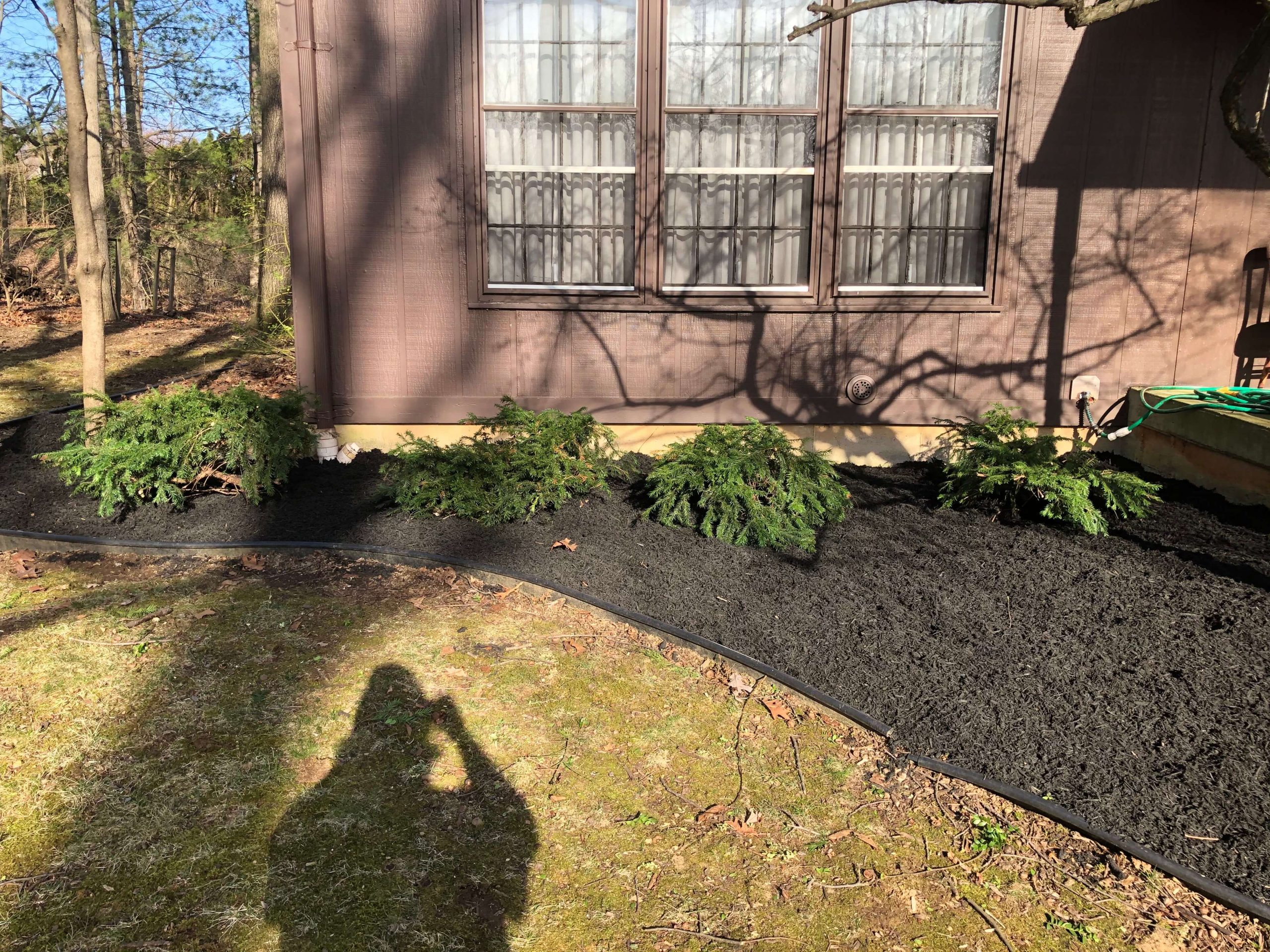
Few things are more frustrating for homeowners than seeing brown patches appear throughout an otherwise healthy lawn. Brown spots can develop for many different reasons, ranging from environmental stress and improper watering to disease activity, insect damage, and soil-related issues.
In the Lehigh Valley, lawns face unique seasonal challenges throughout the year. Hot, humid summers, inconsistent rainfall, compacted soils, and changing weather patterns can all contribute to turfgrass stress. Understanding what causes brown spots is the first step toward restoring lawn health and preventing future damage.
TL;DR: What Causes Brown Spots in a Lawn?
- Improper watering is one of the most common causes of brown patches.
- Lawn diseases often develop during warm, humid Lehigh Valley summers.
- Insect activity can damage grass roots and create dead areas.
- Pet urine may cause isolated brown spots.
- Soil compaction and poor drainage can stress turfgrass.
- Professional lawn evaluations help identify the underlying cause.
Why Does the Lehigh Valley Climate Affect Lawn Health?
During summer, however, lawns often face periods of heat, humidity, drought stress, and heavy rainfall. These changing conditions can weaken turfgrass and make it more vulnerable to disease, insect activity, and environmental stress.
When lawns become stressed, brown spots are often one of the first visible warning signs.
Is Improper Watering a Common Cause of Brown Spots?
Yes. Watering issues are one of the most common reasons homeowners notice brown patches in their lawn.
Too little water can cause grass to dry out and enter dormancy during hot weather. On the other hand, excessive watering may create overly wet conditions that encourage disease development and root problems.
Lawns generally benefit from deep, consistent watering rather than frequent shallow watering. Proper watering practices help encourage deeper root growth and improve the lawn’s ability to tolerate periods of heat and drought.
Can Lawn Diseases Cause Brown Patches?
Diseases such as:
- Brown Patch
- Dollar Spot
- Summer Patch
- Leaf Spot
Disease activity often becomes more noticeable during periods of high humidity, poor airflow, excessive moisture, or prolonged stress. In many cases, professional diagnosis is needed to determine the specific disease affecting the lawn.
How Do Insects Damage Lawns?
Grubs are among the most common lawn pests in Pennsylvania. These insects feed beneath the surface and can damage root systems, making it difficult for grass to absorb water and nutrients.
Lawns affected by grub activity may feel loose underfoot, and damaged turf may pull away from the soil easily. Other insects may also contribute to thinning grass and localized brown patches.
Can Fertilizer Problems Cause Brown Spots?
Lawns lacking essential nutrients may struggle to maintain healthy growth and color. Conversely, excessive fertilizer applications can burn grass and create damaged areas throughout the lawn.
A balanced fertilization program helps provide the nutrients turfgrass needs while minimizing unnecessary stress.
Why Is Professional Lawn Evaluation Important?
Because brown spots can result from many different causes, proper diagnosis is critical before treatment begins.
What appears to be a disease problem may actually involve insects, watering issues, compaction, nutrient deficiencies, or environmental stress. Applying the wrong solution may waste time and potentially worsen the issue.
Professional lawn care providers can evaluate the condition of the turf, identify underlying causes, and recommend a treatment plan tailored to the specific needs of the property.
At Sticks & Stones Lawn Care, we help homeowners throughout the Lehigh Valley maintain healthy, attractive lawns through professional lawn care, landscape maintenance, seasonal cleanups, tree care, and property maintenance services. Whether you are dealing with brown spots, thinning grass, or overall lawn health concerns, our team can help identify the cause and recommend the right solution. Contact us today to get started.


